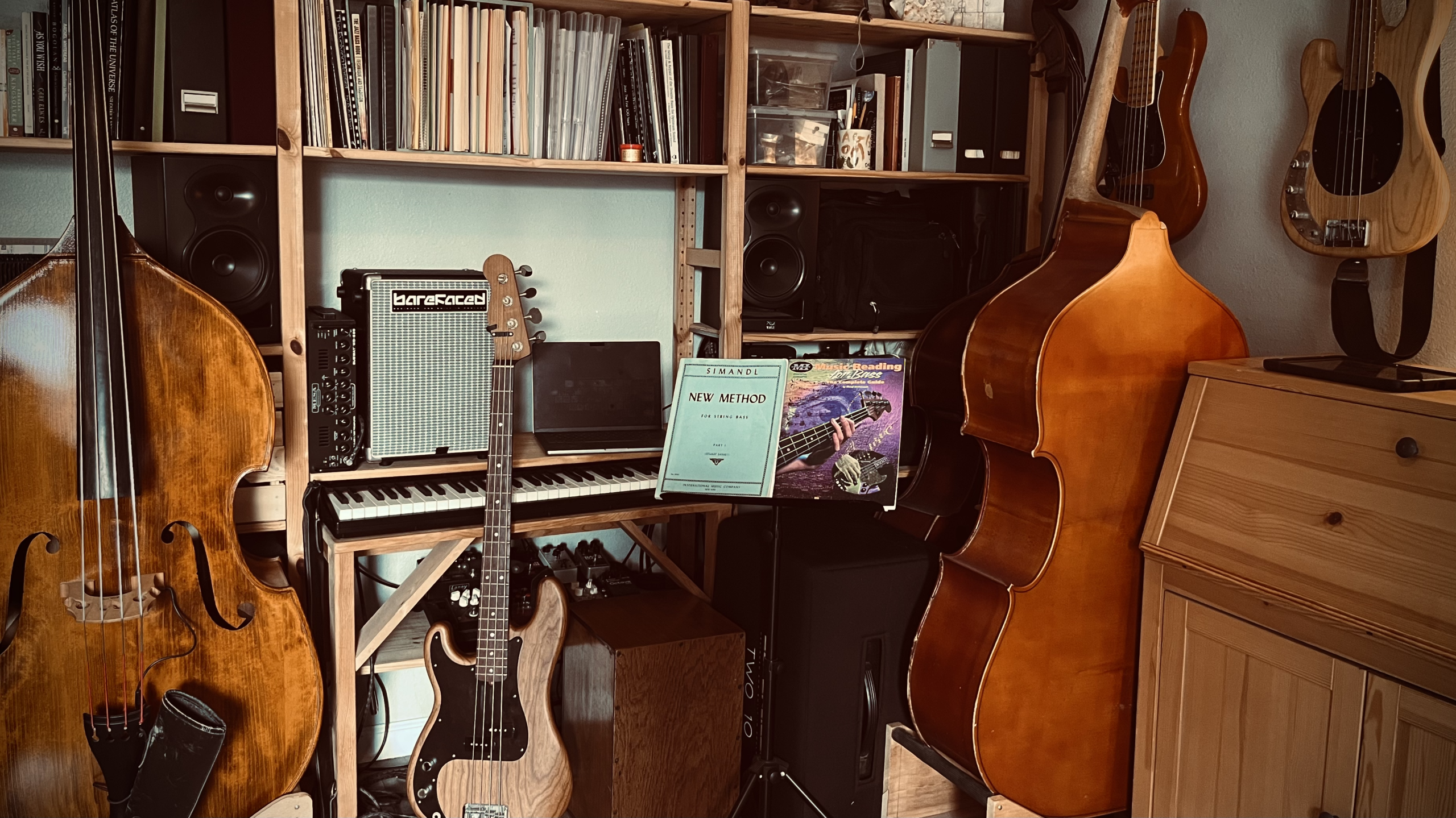
I am always happy to offer my resources & experience to help folks improve their overall musicianship, putting them on the path to becoming a solid and versatile bassist. By blending some basic theory with proper technique, the role of the bass can become very natural within any musical style.
EDUCATION
2007 — Master of Music, Jazz Studies, San Diego State University.
2005-2006 — Private study in Double Bass with Bob Magnusson.
2005 — Bachelor of Music, Jazz Studies, San Diego State University.
2001-2005 — Private study in Double Bass with Gunnar Biggs.
2001 — Associate of the Arts, Music, American River College, Sacramento
1999-present — Double Bass professional performance.
1996-present — Electric Bass professional performance.
AREAS OF FOCUS
Proper Technique • Music Literacy • Time/Rhythmic Feel • Piano Basics • Theory • Ear Training • Tone Production • Transcription • Improvisation
Availability
REMOTE / ONLINE
One-on-one virtual meeting using Microsoft Teams.
This option is perhaps best for students who are reasonably tech-savvy.
Microsoft Teams is free and easy to sign up, or you can join as a “Guest”. There is a browser version and a Desktop version, as well as a mobile app version. Please follow these tips to get the most out of the sound quality.
- The Desktop version might perform slightly better regarding latency.
- Turn OFF Noise Suppression. Settings > Devices > Noise Suppression > OFF.
- Use decent quality wired headphones WITHOUT a built-in mic.
(wireless headphones will add latency) - Use the computer’s built-in microphone (default).
- For electric bass: Use a small practice amp at a low volume, close to and pointed at the computer’s microphone.
IN-PERSON
Travel considered within San Diego area. Home studio based in National City.
ALL AGES, STYLES, AND SKILL LEVELS
Parent or legal guardian approval required for students under 18 years old.
Styles such as Jazz, Soul, Funk, Rock, Pop, Folk, Bluegrass, Country, Americana, and Classical.
Skill levels of Beginner, Intermediate and Advanced.
NO COMMITMENT NECESSARY!
Learn at your own pace. Reach out again if you get stuck or when you get hungry for more.
MON-THURS. Check my calendar for openings, starting in JANUARY 2027!
Times are PST(UTC-8) in California, from 10am – 2:50pm, but calendar below should display in your specific time zone. If you don’t see a time that works for you, let me know and I’ll try to be flexible.
Standard Rates
Instructional Materials
Each student gets a personalized Dropbox folder containing the material we work on and notes from each lesson. Some materials will be posted here, as well. Additionally, advanced players are welcome to browse my transcriptions of jazz bass solos of some renowned players in my media section.
Method Books
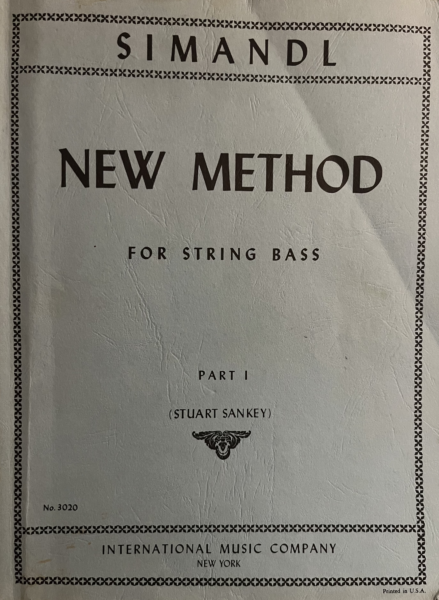
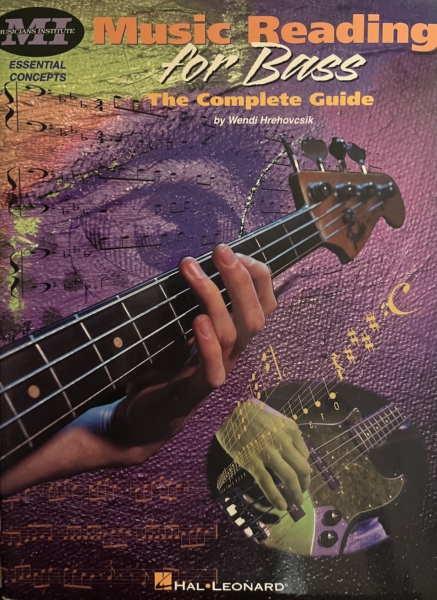
For beginning & intermediate students, I draw heavily from two well known publications which focus on proper technique and music literacy: The Franz Simandl New Method for String Bass, Part I, and Music Reading for Bass by Wendi Hrechovcsik.
I also use pages and sections from a variety of other books, including The Evolving Bassist (Rufus Reid), Modern Walking Bass Technique (Mike Richmond), The Art of Walking Bass (Bob Magnusson), and Ray Brown’s Bass Method, as well as lessons of my own design.
I encourage any bassist looking to improve their technique and reading skills to acquire any of these books and work through them slowly, especially the first two. These tried & true methods have been developed and perfected by generations of masters. With a solid foundation, you will be equipped to continue growing, whether with the aide of private instruction or completely self-guided.
Piano BASICS
The piano keyboard is another essential tool for learning theory and ear-training, both as a visual aide and for aurally identifying intervals, triads, 7th chords, etc. I recommend students acquire access to some kind of keyboard, even if just an app on a touchscreen device.
WalkerOfBass Resources
Bass Studies
… more coming soon. Area under construction
Bass Line Transcriptions
… coming soon. Area under construction
Recommendations for an Efficient Practice Environment
A quality folding music stand is highly recommended. Something with a solid back, and sturdy enough to write on, or safely support a tablet. That said, you also should have a sharp pencil, eraser and highlighter. Don’t shy away from making notes. Whether it’s to remember a fingering, accidental, tricky count, or whatever, usually the act of making the note is what forms the memory. Try to keep whatever other accessories you regularly use––tuner, rosin, stereo remote, coffee––within reach so you feel invited to stay a while.